
I’ve been meaning to write about this topic for quite some time already, but I have not really come up with any kind of “conclusive” thing to say about it … so maybe I should just try to introduce it and then come back to it if / whenever I feel like I can add something to it.
Triangulation is an important (sort of “cornerstone”) idea in science. Apart from the mathematical concept, it also has to do with taking different points of view (“perspectives”) on topics.
Seeing things in “one right way” is a rather dull / novice approach to understanding any issue. Issues are rarely straightforward that way.
In the PHLAT Network, we seek to promote at least three different perspectives on any topic. Yet branching out into too many different perspectives too quickly also has its own drawbacks. Too much compartmentalization can lead to too much complexity, too little focus on prioritization and similar issues.
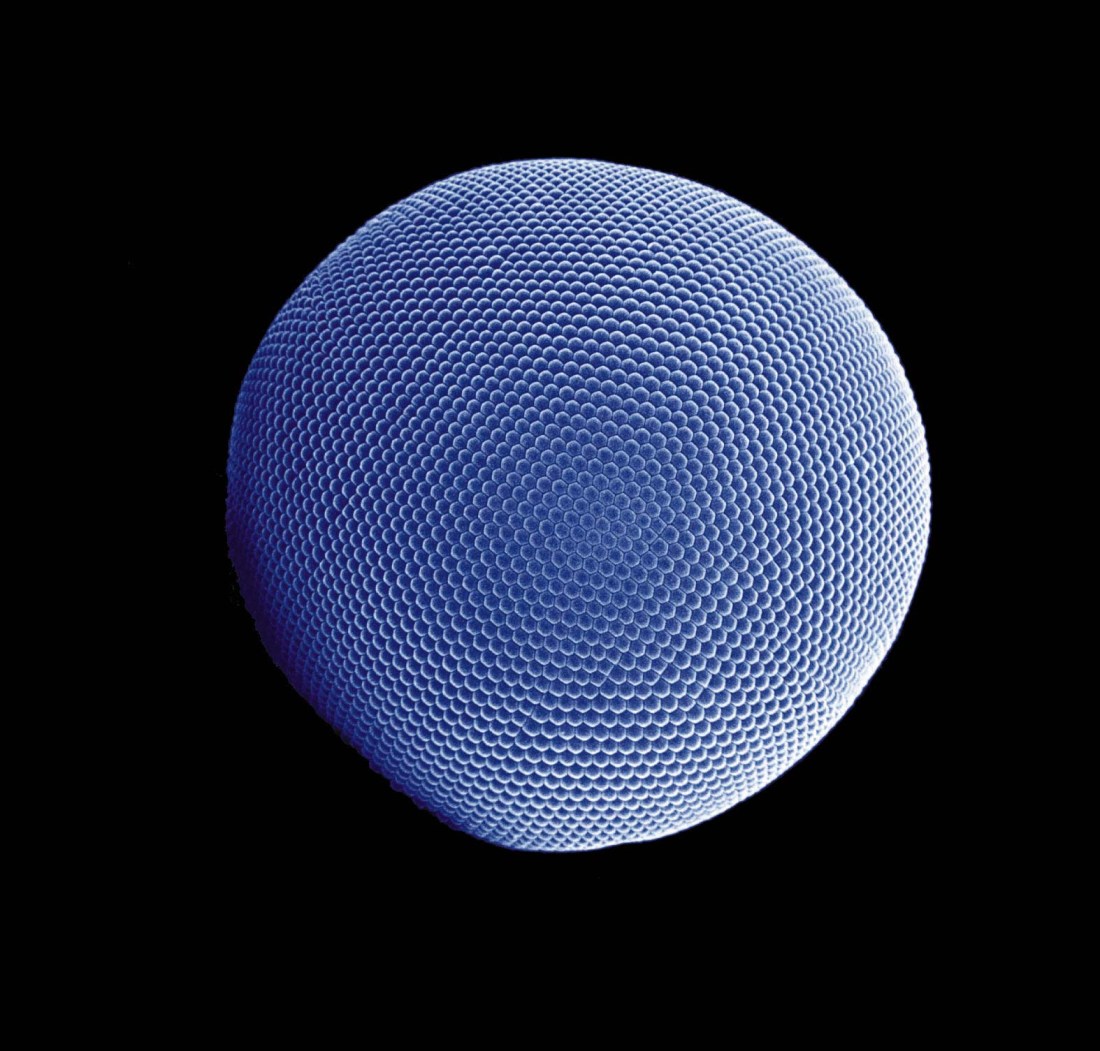
By the way: Note that most animals gain perspective from the way their brains process two images (one from each eye) … but many insects have a different setup (much like having a very large number of eyes). This is discussed, for example, in the article @ en.wikipedia.org titled “Compound Eye” (from which the featured image for this post was sourced 😉 ).
 PHLAT news + FAQs